
Originally posted in The Daily Star on 24 April 2026
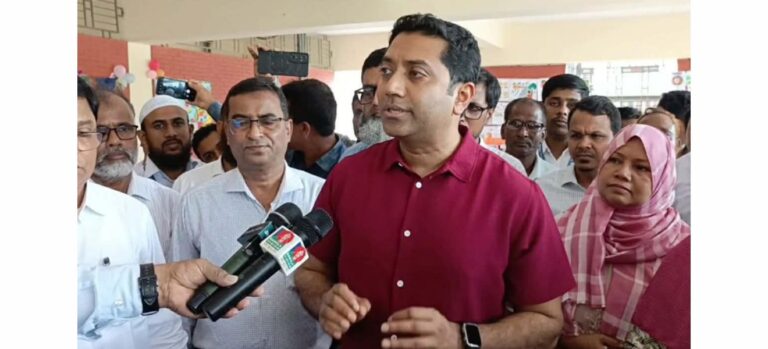
The government plans to expand childcare and caregiving services across the country to support working families, address the needs of vulnerable groups, and create new employment opportunities, said Abu Zafar Md Zahid Hossain, minister for women and children affairs and social welfare.
He made the announcement yesterday at the National Care Conclave 2026, jointly organised by ILO, UN Women, and the Asian Development Bank, in coordination with the Ministries of Women and Children Affairs, Labour and Employment, and Social Welfare, at a city hotel.
The minister said daycare centres are already operating within ministry premises and in different parts of Dhaka with funding from both development and revenue budgets, and the government now plans to scale up these services.
“Very soon, we will expand beyond Dhaka to divisional headquarters and gradually to most districts,” he said.
“Within 180 days, we aim to cover some divisional headquarters and Dhaka, including facilities in hospitals and other institutions, to ensure accessible childcare for working parents.”
He added that the government is also working to strengthen support systems for persons with disabilities and the elderly.
While disability care services remain limited, he said expanding them would require more time and resources. With the ageing population on the rise, elderly care has also been identified as a priority, and existing public and private care centres will be further developed.
The government also plans to establish caregiving training centres to meet domestic demand and prepare workers for overseas employment, said the minister, adding that training will include languages such as Japanese, Mandarin, English, and Arabic.
The minister encouraged private investment in the sector, saying the government would support viable initiatives despite resource constraints.
Such investments would yield long-term economic and social benefits, he added.
“Empowering women is a macroeconomic necessity. By redefining care as a shared responsibility rather than a workload borne solely by women, we can unlock the full potential of our workforce,” he also said.
State Minister for Social Welfare Farzana Sharmin said the care economy must be recognised as a key driver of development.
Positioning care as a priority ensures it becomes a dignified sector that drives economic prosperity and empowers women, she said.
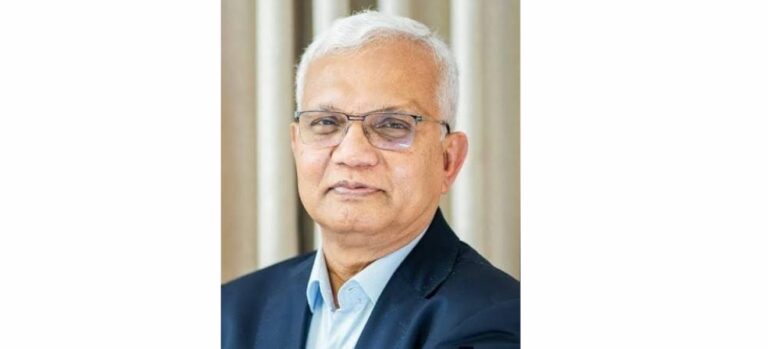
Max Tunon, country director of ILO in Bangladesh, said transforming care into a public policy priority is unlocking a vital engine for economic prosperity and gender equality.
“We are committed to expanding quality and accessible childcare and long-term care services to address the evolving needs of society.”
The conclave comes as Bangladesh aims to raise women’s labour force participation to 50 percent by 2030. The rate currently stands at 42.6 percent, with challenges including unpaid care burdens, underemployment, wage gaps, and informal work.
Gitanjali Singh, country representative of UN Women Bangladesh, in her opening remarks, said, “The undervaluing and gendered division of care work is one of the biggest drivers of gender inequality. Investing in care systems is a triple win for women, society and the economy.”
Keynote speakers from the ILO and ADB noted that investment in care systems could significantly boost economic growth.
According to ILO estimates, universal investment in childcare and long-term care could create over seven million decent jobs in Bangladesh by 2035, they noted.
A panel discussion titled “From Commitment to Action: Advancing the Care Economy in Bangladesh” explored pathways for translating policy commitments into practical reforms.